
• Login
  • Join/Renew
  • ADAPT Program
HBES
  • Link to X
  • Link to Facebook
  • Link to Mail
  • Home
  • About HBES
  • Conference
  • Journal
  • Awards
  • Places to Study
  • News
  • Click to open the search input field Click to open the search input field Search
  • Menu Menu

When Love Feels at Risk: The Hidden Logic of Jealousy

June 28, 2026/in Newsletter

– by Ana María Fernandez, María Barbato, Michele Dufey

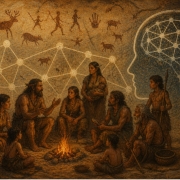
Jealousy is often portrayed as irrational, possessive, or simply unpleasant. Yet from an evolutionary and developmental perspective, jealousy may be better understood as a socially intelligent alarm system: an emotion that becomes activated when a valued relationship appears to be threatened by a third party. In our study, we tried to “switch on” this alarm in a controlled way, by presenting concrete decisions about how partners distribute resources between their romantic relationship and a potential rival.

This alarm system does not begin in adulthood. It can be observed early in life, when infants protest the apparent loss of a caregiver’s attention to a sibling or another person. Later, in friendships, jealousy may emerge when a newcomer threatens to replace our special place in a best friend’s affection.

Romantic jealousy follows a related logic; it is commonly understood as a response to threats of sexual or emotional infidelity. But beneath these familiar scenarios lies a broader question: what exactly is being protected? From an evolutionary perspective, romantic jealousy may function to protect exclusive access to a partner’s affection, attention, time, commitment, and investment. It is not only about sex, but about the possibility that a partner’s valued resources—emotional, social, reproductive, or material—may be redirected toward a rival.

This broader view motivated our research. For many years, studies of romantic jealousy relied heavily on hypothetical forced-choice scenarios, especially those contrasting sexual and emotional infidelity. We wanted to move beyond asking people to imagine betrayal in the abstract. Instead, we sought to create a more interactive experimental situation in which jealousy could be evoked through the allocation of resources. The economic game we used was designed to capture exactly this sense of being chosen, how much “goes to me” versus “goes to someone else” becomes a simple but powerful signal of where a partner’s attention and commitment are directed.

So, we invited romantic couples to the laboratory and used a modified economic game inspired by the dictator game. Participants were led to believe that their partners had exchanged resources with anonymous opposite-sex individuals. The game allowed us to model two different kinds of rival-related threats.

In the first condition, which we will call emotional investment, participants were informed that their partner had given most of their available resources—75 out of 100 dollars—to an opposite-sex person they had just met, rather than to the participant. This situation was designed to represent a partner actively directing resources toward a potential rival, and evoked the highest jealousy overall, and it was stronger among women than men.

In the second condition, which we will call mate poaching, participants were told that an opposite-sex person, already in a relationship, had given most of their resources to the participant’s partner, at the expense of their own partner. This was designed to represent someone else attempting to invest in, attract, or “poach” the participant’s partner, and it tended to evoke more jealousy among men than women, although the effect was weaker than expected

Importantly, we also included control conditions. These allowed us to examine whether participants were simply reacting negatively to any unequal allocation involving the opposite sex. The answer was no. Jealousy was not merely a response to unfairness, generosity, or discomfort with resource exchange. Rather, jealousy was especially heightened when the allocation implied a possible shift in relational investment: when a loved one appeared to give more to someone else than to the participant.

This is the central novelty of the study. Romantic jealousy may be triggered not only by explicit sexual or emotional betrayal, but also by subtle signs that a partner’s investment is being redirected. A simple economic decision—who receives more, who gives more, and at whose expense—can carry relational meaning. It may signal closeness, preference, availability, or threat.

Why does this matter? Because jealousy is often studied as if it belongs only to adult romantic life. Our findings suggest that jealousy may be part of a broader relational system that develops across the lifespan. From infancy to friendship to romantic love, jealousy appears when a valued bond feels vulnerable to displacement. It protects not only mating interests, but also attachment, exclusivity, affection, and the expectation that we hold a special place in another person’s mind.

By using an economic game, our study offers a new way to examine jealousy experimentally. It also helps refine the evolutionary interpretation of jealousy. Going beyond basing jealousy on sex differences or infidelity scenarios, the findings point to a more general mechanism: jealousy is activated when the exclusive investment of a significant other appears to be at risk. Jealousy-related feelings should also be placed in a constructive relational perspective. They do not reflect conflict or insecurity alone; they may also signal that closeness, attention, and commitment matter, and motivate healthy ways to protect them.

The green-eyed monster, then, may not be merely a destructive force. It can also be seen as an evolved emotional signal, alerting us when a valued bond feels less secure, less exclusive, or less reciprocally invested than we expected. In this sense, jealousy reveals something deeply human: our need not only to love, but also to feel chosen, valued, and uniquely held in the mind of another. When understood constructively, jealousy may become less a threat to relationships than an invitation to reflect on what our closest bonds require to remain secure, reciprocal, and meaningful.
Ana María Fernández, María Teresa Barbato, Michele Dufey, Belén Zavalla, María Luíza Rodrigues Sampaio de Souza. 2026. Resource allocation and romantic jealousy: An experimental test of sex differences using economic games. Evolution and Human Behavior 47(2): 106816.

https://www.hbes.com/wp-content/uploads/2026/06/ChatGPT-Image-7-may-2026-11_50_46-a.m.png 1086 1448 karthikpanchanathan https://www.hbes.com/wp-content/uploads/2019/07/HBES-banner-2019.png karthikpanchanathan2026-06-28 19:24:242026-06-28 19:24:24When Love Feels at Risk: The Hidden Logic of Jealousy

Why are humans so intelligent?

June 28, 2026/in Newsletter, Uncategorized

– by Jonathan Egeland, Leif Edward Ottesen Kennair, and Thomas Haarklau Kleppestø

A central puzzle in the evolutionary behavioral sciences, studied since Darwin, is how to explain our uniquely human intelligence. Why did it evolve? What made it useful enough to be favored by selection? And what is the proximate explanation for how it works? Our recent paper in Evolution and Human Behavior argues that reciprocal cooperation holds the key to answering these questions.

Over the second half of the twentieth century, many researchers came to think that human intelligence has to be understood in light of the social environments our ancestors lived in. Humans evolved in groups, and surviving in those groups meant dealing with a great many kinds of social interaction throughout development. That basic idea is widely accepted. The harder part has been turning it into a clear, plausible, and testable explanation.

Our paper was an attempt to make progress on this issue. We focus both on what intelligence is for (its function), and on how this kind of explanation can be made consistent with relevant findings from personality research, psychometrics, and comparative psychology. We began by highlighting a simple coordination problem: how can the pursuit of individual fitness-related advantages be made compatible with social cooperation between members of the same coalition or group? In many other primate species, social life is characterized by dominance hierarchies. But in humans, cooperation is often the norm. A lot of research suggests that the coordination problem was solved by instituting a system of social exchange where individuals gain status by providing benefits to other group members. This is a form of reciprocity in which cooperation is established and maintained by repeated mutually beneficial interactions. In such a system, status will typically take the form of prestige rather than dominance, as voluntary deference is shown to individuals with traits or competencies indicative of what we call “coalitional value” (i.e., social partner value).

Our main claim is that intelligence­—or its behavioral effects, to be more specific—is one of the traits that signals this kind of value. Our Coalitional Intelligence Hypothesis proposes that the behavioral effects of intelligence reliably signal an individual’s ability to benefit others. Intelligence allows people to solve problems, generate useful ideas, coordinate activities, and provide other kinds of benefit to their group, and it grants prestige in return. This leads to several predictions, one of which is that intelligence should be positively related to prestige, and this relationship should be mediated by the extent to which individuals actually benefit their social partners. In slightly technical terms, intelligence enables reciprocal exchanges of status and cognitive-computational services.

Although there are many studies whose results are consistent with this prediction, few, if any, provide direct tests of it. For example, research from psychometrics and personality psychology shows that intelligent individuals achieve higher status, in part because they provide social benefits. However, status in these studies is operationalized in terms of socio-economic status (i.e., income, education, and occupation), rather than prestige. On the other hand, there are many findings from anthropology linking the relevant variables, but intelligence is usually measured subjectively and not in terms of actual cognitive performance. Future tests of the hypothesis should therefore focus on whether cognitive performance leads to higher prestige, mediated by ability to benefit one’s social group.

In addition to discussing what the hypothesis predicts and how it compares to other, established hypotheses from the literature, we also focused on whether human intelligence can be studied meaningfully as an evolved trait. Some researchers have argued that there is a single intelligence mechanism or system, while others see it as a loose collection of many different cognitive mechanisms; and the debate between these camps goes back more than a hundred years. However, we suggest that this may be a false dichotomy. At the level of underlying mechanisms, there is clearly a lot of heterogeneity. Human intelligence involves many different systems—there is no such thing as the intelligence algorithm—and claims to the contrary risk becoming incoherent. However, at the same time, research from comparative psychology and animal cognition suggests that human intelligence is made possible by increased computational capacity across a variety of underlying cognitive mechanisms. From this we draw two inferences: first, that intelligence can be “many” at the mechanistic level, while still for certain purposes being meaningfully conceptualized as “one” functional, higher-order trait; and second, it may be plausibly conjectured that individual differences in intelligence also are reflective of patterns of covariance in computational capacity across different cognitive mechanisms.

Taken together, our paper suggests that uniquely human intelligence evolved, at least in part, because it enabled reciprocal exchanges of status and social benefits. If people voluntarily defer to social partners providing them with useful services, then there can be selection for traits and competencies indicative of social partner value. As Richard Alexander once noted, ancestral humans living in such social environments had to “cooperate to compete”. One way of competing in this manner is to provide cognitive services to others, which intelligent individuals are better able to do.

Jonathan Egeland, Leif Edward Ottesen Kennair, and Thomas Haarklau Kleppestø. 2026. Coalitional Psychology and the Evolution of Intelligence. Evolution and Human Behavior 47(3): 106839.

https://www.hbes.com/wp-content/uploads/2026/06/Picture1.jpg 928 1390 karthikpanchanathan https://www.hbes.com/wp-content/uploads/2019/07/HBES-banner-2019.png karthikpanchanathan2026-06-28 19:09:392026-06-28 19:27:26Why are humans so intelligent?

Evolutionary and social functions of gaming

June 28, 2026/in Newsletter

– by Yago Moraes

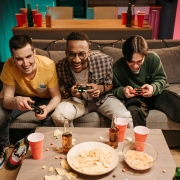
Imagine two strangers meeting for the first time. Instead of making small talk, they either play an ancient strategy game or role-play a mild disagreement between friends. Weeks later, their impressions of one another have changed, but not in the way many theories about games would predict.

This puzzle lies at the heart of our paper, “Evolutionary and social functions of gaming”, which combines a lab experiment with computer simulations to ask: what are games for in human evolution?

Humans create games in nearly every culture and keep playing them long after childhood. This is striking because, although play is common across many mammals, gaming is different. Games have rules, goals, and winners-losers. They are also especially common among post-pubertal males and often reflect hunting, combat, and competition.

These features have inspired several explanations. Evolutionary researchers argue that games function as low-cost practice for hunting or warfare, and as arenas for status competition, helping players display skill, gain prestige, and attract mates. Social scientists, meanwhile, often emphasize a different role: games as social glue, capable of easing tension, breaking the ice, and fostering group cohesion.

My colleagues and I propose a framework that integrates these perspectives by extending Deaner and colleagues’ Allying with Coalitions Hypothesis. We suggest that games may have evolved not just as practice or entertainment, but as tools for finding valuable allies. In ancestral settings, success in activities such as big-game hunting or warfare depended on choosing reliable partners. A poor ally could be costly; a skilled and trustworthy one could be lifesaving. Games, with clear rules and measurable results, may have offered a low-risk way to judge others: Who is skilled? Who is strategic? Who cooperates well under pressure?

This idea leads to a clear prediction: if games help people judge potential allies, then playing together should speed up judgments of one another’s value and strengthen social bonds more efficiently than other activities.

To test this, we ran an experiment with same-sex pairs of strangers assigned to one of two conditions. In the gaming condition, participants played Nine Men’s Morris, a centuries-old strategy board game. In the control condition, they completed a role-play task in which two friends negotiated different preferences.

Across three sessions spanning roughly one month, participants repeatedly rated one another on two dimensions: perceived peer value (how desirable the other seemed as a potential friend or ally, including traits such as intelligence, charisma, attractiveness, and status) and relational proximity (how close and connected they felt to the other person). If gaming functions as an ally-selection mechanism, then the gaming condition should have produced faster or stronger shifts in these ratings. It did not.

Both activities changed how participants saw one another over time. Repeated interaction mattered, as expected. But gaming did not outperform the control condition. Playing a strategy game did not make strangers feel closer or judge each other more positively any faster than a structured, mildly conflictual conversation. This pattern appeared in both male and female pairs.

At first glance, this seems like a challenge to the hypothesis. But null results can still be informative. Rather than disproving the theory, the findings suggest that gaming’s social effects depend strongly on context. Not all games are equally informative. A low-stakes, one-on-one abstract board game played in a lab may be a poor model for the kinds of games that mattered in human evolution.

To explore this, we turned to simulations. In our model, virtual individuals could adopt either a gaming or non-gaming strategy. They formed alliances, completed risky cooperative tasks, survived or died based on performance, and reproduced across generations. This allowed us to test when gaming might become adaptive.

The simulations showed that gaming spread only under specific conditions. First, the initial gamer had to be above average in skill. Second, environmental risks had to remain meaningful by changing alongside population skill; otherwise, risks became too easy to overcome.

When low-skill individuals adopted gaming, the strategy usually disappeared. This is what we would expect if gaming functions as an honest signal: it benefits only those who can truly display valuable traits. The model also showed that gaming loses value when stakes are low. In safe settings where performance differences matter little, there is less reason for gaming-based assessment to evolve or persist.

This offers a plausible explanation for the experimental null results. Laboratory settings are not ancestral battlefields. No one’s survival depended on winning NMM or choosing the right lab partner.

Together, the experiment and simulations suggest a more nuanced view of gaming. Games do not reliably speed up friendship formation in low-risk, short-term interactions with strangers, at least not more than other structured social activities. But in conditions resembling ancestral life, where success in risky cooperative tasks affects survival, gaming may work as a stable strategy for judging and competing for valuable allies. This view helps explain the widespread presence of games, their male-biased participation in many cultures, and the modest social effects often observed in modern lab studies.

It also suggests we may be focusing on the wrong social phase. Rather than helping primarily to form friendships, games may be especially useful for maintaining them, for instance, by providing a controlled, nonviolent outlet for rivalry or conflict resolution. We refer to this speculative possibility as the Conflict Gambling Hypothesis.

Finally, not all games are created equal. NMM is an abstract, one-on-one board game. Many of the strongest sex differences and coalitional dynamics emerge instead in team sports and real-time multiplayer games such as FPSs or MOBAs, which more closely resemble the coordination, competition, and group dynamics of hunting and warfare.

By combining experiments with evolutionary modeling, this research offers a broader way to understand when games matter socially. It suggests that the evolutionary role of gaming is closely tied to risk, honest signaling, and the long process of building and maintaining alliances when stakes are high.

Yago Lukševičius de Moraes, Marco Antonio Correa Varella, Leonardo Cezar Silva Costa, Nayara Teles, and Jaroslava Varella Valentova. 2026. Evolutionary and social functions of gaming: Integrating experimental evidence and mathematical modeling. Evolution and Human Behavior 47(2): 106833.


https://www.hbes.com/wp-content/uploads/2026/06/CC-image-scaled.jpg 1709 2560 karthikpanchanathan https://www.hbes.com/wp-content/uploads/2019/07/HBES-banner-2019.png karthikpanchanathan2026-06-28 18:59:252026-06-28 18:59:25Evolutionary and social functions of gaming

Laith Al-Shawaf awarded the Evolution in the Public Eye Award

April 30, 2026/in Newsletter

HBES Members,

I am thrilled to announce that our Laith Al-Shawaf has just been awarded the Evolution in the Public Eye Award.

The EPE Award honors outstanding contributions to the public understanding of evolutionary perspectives on behavior. These contributions positively impact our perception and understanding of evolutionary science by communicating accurate, evidence-based information and/or exposing and countering misinformation and misleading claims. Through social media, community blogs, academic outreach, or other forms of science communication, honorees have helped foster more informed and nuanced public discourse about evolutionary science. This award recognizes those whose efforts strengthen the bridge between rigorous research and public understanding, helping ensure that evolutionary perspectives are represented accurately in broader societal discussions.

For more information including details on award ceremony please follow this link.

https://www.hbes.com/wp-content/uploads/2024/05/Laith-Al-Shawaf-e1750363424999.jpg 480 480 karthikpanchanathan https://www.hbes.com/wp-content/uploads/2019/07/HBES-banner-2019.png karthikpanchanathan2026-04-30 19:52:592026-04-30 19:52:59Laith Al-Shawaf awarded the Evolution in the Public Eye Award

Do human faces, bodies, and voices “tell the same story” about attractiveness, health, and dominance

April 30, 2026/in Newsletter

– by Tobias L. Kordsmeyer

When we form impressions of others, we rarely rely on just one cue. Faces provide one stream of information, bodies provide another, and voices add yet another layer. In everyday life, these cues are usually perceived together – so it is tempting to assume they are redundant. If someone has an attractive face, we might expect an attractive body and an attractive voice as well.

But should we indeed expect that kind of cross-modal consistency, i.e. noteworthy correlations of perceptions of attractiveness and other socially relevant traits between faces, bodies, and voices? Two competing ideas about such correlated perceptions have been debated for decades.

The one ornament hypothesis (also called backup signals hypothesis or redundancy hypothesis) proposes that different body parts and modalities reflect shared underlying qualities such as immunocompetence, genetic quality, or developmental stability. If that were true, then perceptions of attractiveness (and related traits like health or dominance) should correlate across faces, bodies, and voices.

By contrast, the multiple messages hypothesis argues that what different modalities signal is more independent: faces might reveal different information (e.g. based on how average faces are, which in turn is related to perceptions of attractiveness and health), than bodies (e.g. health based on shape and fat distribution) and voices (e.g. dominance and masculinity based on voice pitch). If so, correlations among perceptions across modalities should be weak or absent – because each channel carries partly distinct information.

Our study puts these ideas to a rigorous test by asking a seemingly simple question: When people judge faces, bodies, and voices separately, do those ratings line up? Put differently, are perceptions of attractiveness, dominance, and health correlated positively across faces, bodies, and voices? Additionally, steroid hormones (testosterone, estradiol), which influence the development of facial, bodily, and vocal characteristics, were investigated as partial explanations of purportedly correlated perceptions.

To investigate these questions, we assembled a large stimulus set from 320 men and women, including neutral face photographs, 3D body scans converted into short rotating videos, and brief voice recordings. Each of these three modalities was then judged by separate groups of raters regarding perceived attractiveness, perceived health, and perceived physical dominance (the latter conceptualised as the likelihood of winning a physical fight). That separation matters – if the same raters had judged faces, bodies, and voices, halo effects could have inflated correlations (“I liked his face, so I feel like his voice must be attractive, too”). Using different groups of raters for different modalities is a tougher test of true cross-modal concordances.

A major methodological concern in older work on judgments of bodies was that body stimuli often included skin colour and texture, which themselves convey health-related information and could invoke stereotypes, which could create shared variance with facial appearance. In our study, we deliberately used grey-coloured body scans without heads, removing skin tone cues, to shift the focus to body shape. That means any face–body correlations that remain are harder to explain away as “it’s just skin quality.”

What did we find? Generally, we found consistent and medium-sized correlations between faces and bodies for all three traits: attractiveness, health, and physical dominance. On average, people who were considered attractive in terms of their facial features were also considered attractive in terms of their body shape. Correlations for perceived health and perceived physical dominance were similar, but only slightly smaller. So, at least for faces and bodies, the data look consistent, indicating a partly redundant signal and hence supporting the one ornament hypothesis.

For voices, however, the story shifts. Out of the six correlations of voices with faces and bodies for the three traits, only three were significant, and effect sizes rather small. Thus, regarding voices, the multiple messages hypothesis seems to be better supported, and voices may add information that is not strongly predictable from faces or body shape.

When we split the target sample by sex, the face–voice and body–voice correlations were somewhat stronger for men than for women (especially for perceived health and physical dominance), whereas the body-voice correlations were more comparable across the sexes. Thus, whether the one ornament hypothesis or multiple messages hypothesis is more valid may not only depend on the modality, but may also differ by target sex.

A common idea in evolutionary psychology is that sex steroid hormones contribute to the development of sexually dimorphic traits (including facial masculinity/femininity, body composition including fat distribution, and vocal characteristics), which then influence perceptions of attractiveness, health, and dominance. If that’s right, one might expect that part of the cross–modal correlations exists because the modalities are simultaneously influenced by the same endocrine factors.

We tested this using salivary hormone measures: baseline testosterone and testosterone reactivity (after having engaged in a dyadic competition in the laboratory) in men, and baseline testosterone, baseline estradiol, the baseline testosterone/estradiol ratio, as well as hair testosterone (a measure of long-term aggregated baseline levels) in women.

The insight from these additional analyses was rather simple: We found no evidence that these hormone measures explained the cross-modal correlations. The study did find a few small direct associations between men’s baseline testosterone and their vocal attractiveness and physical dominance, but not in a way that explained the broader cross-modal pattern.

One implication is that if a shared biological mechanism links facial, bodily, and vocal characteristics, it may not be well captured by current adult hormone levels. Instead, prenatal or pubertal hormonal measures with more organisational effects during development, or additional genetic factors and environmental perturbations during development may play a stronger role as explanatory mechanisms.

What is the take-away message? This study offers a nuanced update to a debate that is sometimes framed too starkly as “redundant” versus “independent” signals. For faces and bodies, we demonstrate moderate associations across perceived attractiveness, health, and physical dominance (somewhat stronger in men than women). That supports the idea that these visual channels share underlying cues – despite the body stimuli in our study lacking skin information – in support of the one ornament hypothesis. However, for voices, cross-modal correlations were rather weak, suggesting voices may communicate partly distinct information from faces and bodies – more consistent with the multiple messages hypothesis. Concerning potential explanatory mechanisms for such cross-modally correlated perceptions, at least current adult testosterone and estradiol levels do not seem to play a role here, calling for the investigation of alternative causes.

Tobias L. Kordsmeyer, Philine A.C. Rasokat, Julia Stern, Christoph Schild, and Lars Penke. 2026. Correlated perceptions and underlying hormonal factors of bodily, facial, and vocal attractiveness, health, and physical dominance. Evolution and Human Behavior 47 (2): 106818.

https://www.hbes.com/wp-content/uploads/2026/04/Figure2.png 276 605 karthikpanchanathan https://www.hbes.com/wp-content/uploads/2019/07/HBES-banner-2019.png karthikpanchanathan2026-04-30 19:48:572026-04-30 19:48:57Do human faces, bodies, and voices “tell the same story” about attractiveness, health, and dominance

Health, Attractiveness, and Mate Choice in Central Africa

April 30, 2026/in Newsletter

– by Bonnie Hewlett, Harshita Agrawal, and Barry Hewlett

In the high-pathogen rain forests of central Africa, adolescents begin evaluating who looks healthy, attractive, and potentially marriageable in environments that differ markedly from those studied in urban industrial settings. What cues signal health, and which of those cues actually matter?

Evolutionary researchers have long argued that in many species, parasite loads provide clues to the health and attractiveness of potential mates. Beauty and marriageability are rarely separate from assumptions about strength, fertility, and resilience. But what actually counts as a visible sign of health? And do those signs mean the same thing in different cultural settings?

Health is not just a biological condition—people often believe it is written into the body. But when people judge whether someone looks healthy or attractive, are they making quick decisions that reflect evolved sensitivities or local cultural expectations? If you are an adolescent thinking about marriage, how would you evaluate who would make a good spouse? How accurately can people judge physical health from appearance, and how do those judgments shape perceptions of attractiveness?

This study examined these questions with adolescents in two neighboring but culturally distinct communities: Aka hunter-gatherers and Ngandu farmers in central Africa. The Aka are mobile hunter-gatherers who emphasize egalitarianism, autonomy, and pronounced cooperation in subsistence and childcare. Daily life revolves around food sharing, mobility, and close interpersonal relationships. The Ngandu, in contrast, are sedentary agriculturalists organized around patrilineal clans. Farming, hierarchy, and public reputation shape village life.

These groups live in the same rain forest environment and interact regularly. Yet their cultural values and subsistence strategies differ substantially. The cultural-ecological setting offers an opportunity to examine how evolved propensities and culture shape perceptions of health and attractiveness.

The study included 75 adolescents (39 Aka and 36 Ngandu), spanning roughly from puberty to first marriage at age 20. Participants evaluated all photographs of peers from their own community, sorting them into categories: Who looks healthy? Who is attractive? Who seems marriageable? Participants were then asked to explain why someone looked healthy, attractive, or marriageable.

At the same time, we collected objective biomarkers of physical health, including Body Mass Index (BMI) and parasite load from stool samples. This allowed us to evaluate whether perceptions of attraction and health were linked to biomarkers.

One result stood out clearly: in both groups, BMI predicted which adolescents were perceived as healthy and attractive. Parasite burdens did not.

Across statistical models, each one-unit increase in BMI significantly increased the likelihood of being rated healthy. BMI also significantly predicted attractiveness ratings.

It is important to remember that both Aka and Ngandu adolescents have BMIs at the very low end of global distributions—often below the 5th percentile of U.S. adolescents. In this setting, small differences in body mass may signal something very different from what they do in urban industrialized societies. In environments marked by food insecurity and high pathogen exposure, modestly higher BMI may reflect adequate energy balance, resilience to infection, and physical robustness. Visible physical condition, in other words, functions as a salient cue of health.

Even more striking, perceived health strongly predicted both attractiveness and marriageability. Adolescents did not treat beauty as separate from health. Health anchored attraction.

What about parasites? Evolutionary theory, particularly the Hamilton–Zuk hypothesis, suggests that parasite resistance may serve as an honest signal of genetic quality. If so, individuals with lower parasite loads should be perceived as healthier or more attractive.

That is not what we found.

Across multiple statistical models and biologically meaningful measures of parasite burden, parasite load did not reliably predict perceptions of health or attractiveness.

Why?

In these communities, parasitic infections are widespread. When nearly everyone carries multiple parasites, differences may not be easily noticeable or socially significant. Adolescents tend to rely on broad, observable cues, such as BMI, rather than signs from underlying infection status.

Parasites matter biologically. But they may not be perceptually salient in everyday social judgments.

How did the cultural setting impact who was considered healthy or attractive? Although BMI mattered in both communities, cultural diversity also impacted the variability in how adolescents described attractiveness.

Among the Aka, youth emphasized kindness, cheerfulness, sociability, and “walking with strength.” Physical traits were noted, but personality and vitality were more salient. In small, cooperative foraging camps, prosocial temperament and reliability are adaptive traits in a partner.

Ngandu adolescents, by contrast, more often highlighted clean clothing, bodily cleanliness, good posture, and beauty and facial features. In sedentary farming villages where reputation and public presentation matter, outward appearance can signal discipline, productivity, and social standing.

Both groups valued health. Both valued cleanliness. But they weighted social versus aesthetic cues differently—reflecting their distinct culturally constructed niches.

How did gender influence evaluations of attraction, given evolutionary theories that predict sex differences in mate preferences?

Interestingly, health ratings were relatively consistent across raters of both sexes, reinforcing the idea that visible body condition serves as a broadly shared cue. On the other hand, male raters showed greater variability and, in some cases, stricter standards when judging females. Female raters were more consistent in their judgments and showed strong associations between BMI and male marriageability.

What do these findings tell us?

First, some aspects of mate preference, such as attention to visible cues of body condition, are common across cultural contexts, indicating that human mate preferences reflect shared psychological architectures.

Second, the shared psychological architectures and meanings of those cues are impacted by culturally constructed niches. In wealthy industrialized cultures, higher BMI may signal disease risk. In small-scale cultures with high variability in daily food supply, modestly higher BMI may signal resilience and adequacy.

Third, not all biologically relevant indicators of health are socially salient. Parasite burden, despite its evolutionary relevance, did not appear to strongly shape social evaluations in this setting.

Most importantly, our findings illustrate a central insight of evolutionary anthropology. Human mate preferences reflect shared psychological architecture, but that architecture is expressed through local ecologies and cultural models.

Aka adolescents emphasize a cooperative temperament in a mobile foraging way of life. Ngandu adolescents emphasize presentation and robustness in farming villages. Both reflect local realities and constructed niches.

Adolescents in the rainforest of central Africa are not enacting abstract evolutionary scripts. They are navigating real-world trade-offs—between health, cooperation, productivity, and reputation.

Understanding how these judgments emerge at the intersection of ecology, evolutionary psychology, and culture reveals that mate preferences are neither purely universal nor purely cultural. They are biocultural: grounded in evolved sensitivities, filtered through ecological settings, and expressed through culturally meaningful ideals.

Beauty, it turns out, is not just in the eye of the beholder—it is in the cultural ecology of survival.

Bonnie Hewlett, Harshita Agrawal, and Barry Hewlett. 2026. Health, attractiveness, and marriageability among Aka hunter-gatherers and Ngandu farmer adolescents and young adults in the Central African Republic. Evolution and Human Behavior 47 (2): 106815.

https://www.hbes.com/wp-content/uploads/2026/04/Screenshot-2026-04-30-at-6.42.22-PM-e1777592667219.png 391 876 karthikpanchanathan https://www.hbes.com/wp-content/uploads/2019/07/HBES-banner-2019.png karthikpanchanathan2026-04-30 19:44:532026-04-30 19:44:53Health, Attractiveness, and Mate Choice in Central Africa

The Surprising Roots of Primate Sexuality: What Baby Monkeys’ Behavior Reveals About the Origins of Sexual Behavior

April 30, 2026/in Newsletter

– by Irene Delval and Solimary García Hernández

Traditionally, scientific and popular assumptions about sexual behavior have struggled to decouple it from its reproductive purpose. From primates to nematodes, sexual behaviors that didn’t lead to conception were often dismissed as errors, curiosities, byproducts, or evolutionary leftovers.

Recently, however, this perspective has shifted. In Western societies, as social standards have changed and the visibility of LGBTQIAPN+ communities has grown, science has moved away from restrictive moral ideals to explore the diverse functions of sexuality. The scientific community now recognizes that across many species, including ours, sexual behavior serves a range of social functions like bonding, conflict resolution, reconciliation, or relationship maintenance. This has fueled growing interest in non-conceptive sexual behavior. Much of the research in this area has focused on Same-sex Sexual Behavior (SSB). Once framed as a Darwinian paradox, SSB is now understood as a functional and adaptive component of mammalian social systems. We now know that SSB is a prevalent trait in primates, driven by ecological and social pressures in socially-living species.

Yet, one form of non-conceptive sex remains largely unexplored: the sex-like behaviors that happen before sexual maturity, in prepuberal subjects, long before individuals develop reproductive drives. This begs a major question: how and when do these behaviors first emerge? Understanding this timeline can tell us a lot about their evolved functions.

In our new research published in Evolution and Human Behavior (March, 2026), we explored how sexual behavior emerged during the first year of life in two species of wild robust capuchin monkeys (Sapajus libidinosus and S. xanthosternos). By following 16 wild infants longitudinally in Brazil, our team provided a rare window into the development of sexual behavior under natural conditions. Our findings flip the traditional view that young primates (including humans) engage in sexual behavior merely to practice for adult reproduction, providing strong evidence for the growing consensus among researchers that, across primate species, sexual interactions help animals navigate their social worlds long before they can reproduce.

Starting from Month One

The biggest surprise was just how early these behaviors begin. Both male and female infants exhibited socio-sexual behaviors (i.e., behavior sexual in form but serve but serve social functions), such as mounting, genital inspection, and courtship gestures, within their first month of life. This remarkably early onset parallels observations in humans and shows that sexual behavior doesn’t simply lie dormant until puberty. Instead of appearing suddenly at sexual maturity, it seems to be part of the behavioral repertoire from the very beginning, at least in its early-developing form.

Even though the two capuchin species live in very different environments (one in semi-arid scrubland, the other in tropical rainforest), their developmental trajectories were similar. Among a repertoire of 25 analyzed sexual behaviors, both species and sexes shared the six most frequently performed behaviors. However, although males and females initially performed the same types of behaviors, like eyebrow raising, chest rubbing or mounting, which are usually performed during adult heterosexual courtships, sex differences emerged as the infants grew.

Early and Marked Sex Differences

Male infants showed higher rates of sexual behavior, greater behavioral diversity, and an earlier onset compared to females. The increase in the emergence of sexual behavior over time was also steeper in males, indicating a sex-specific developmental trajectory. These findings align with research in other primates, such as macaques, and suggest that sex differences in sociosexual behavior emerge early in ontogeny, likely shaped by genetic and hormonal effects right from the start.

What makes this particularly fascinating is that in adult robust capuchins, courtship is predominantly female-led. Adult females are the proactive agents, using elaborate facial expressions and even throwing stones to get the attention of often-indifferent males. If the classic “practice hypothesis” were true, which assumes infants perform early forms of these behaviors to rehearse their future adult roles, we would expect infant females to be the ones practicing the most.

However, our data revealed the exact opposite. There were large differences in the directionality of sexual behaviors. Infant males engaged in these interactions far more often, while females were usually the receivers of such behaviors. This points to a male-specific developmental pathway of arousal that clearly doesn’t just mirror adult courtship roles.

Different Partners, Different Goals

We also found a clear divide in who the infants chose to interact with. Infant males acted as sexual “extroverts,” engaging with a wide range of partners. Most notably, their most frequent partners were adult males, making same-sex interactions very common among them. Infant females, on the other hand, had much narrower preferences, mostly interacting sexually with other infants of both sexes. This divergence suggests something important: early sexual behavior likely serves completely different functions depending on the sex.

For males, these interactions might help establish social bonds, navigate dominance hierarchies with older males, or regulate arousal in complex social settings. For females, these behaviors, at this stage, seem more embedded in general peer play and social exploration. We need to further understand when sexual “awakening” occurs in female robust capuchins.

Why This Matters

Our research highlights that primate sexuality is flexible and multifaceted right from birth. Because sex differences emerge so early and don’t simply mirror adult roles, these findings open up new questions about the true origins of sexual behavior in all primates, humans included. If we want to understand the “why” of adult behavior, we first need to look closely at the “how” in the infant’s world.

Just as grooming behavior, which goes far beyond hygiene and removing parasites to act as a social glue, early sexual behavior seems relevant for building and maintaining social bonds, and canalizing arousal, rather than just preparing individuals for reproduction. Our findings also point to a broader issue: studying infant sexuality remains a highly sensitive and often avoided topic, especially in humans. This is where research on non-human primates becomes so valuable, giving us a comparative window to investigate these processes rigorously and without cultural constraints.

Delval, I., García-Hernández, S., Teles, N., Caixeta, J., Cezar, L., Valentova, J. V, Izar, P., & Leca, J-B. 2026. Early sex differences in sociosexual behavior of wild robust capuchin monkeys: Ontogenetic and evolutionary insights. Evolution and Human Behavior, 47 (2), 106834.

https://www.hbes.com/wp-content/uploads/2026/04/RocXPri27month.jpg 378 567 karthikpanchanathan https://www.hbes.com/wp-content/uploads/2019/07/HBES-banner-2019.png karthikpanchanathan2026-04-30 19:30:492026-04-30 19:30:49The Surprising Roots of Primate Sexuality: What Baby Monkeys’ Behavior Reveals About the Origins of Sexual Behavior

Abstract core knowledge may shape the basins of cultural attraction: romantic kissing as a case study

April 30, 2026/in Newsletter

– by Hossein Samani & Ashley J. Thomas

It may be easy for many readers to assume that romantic kissing (lip-to-lip contact between romantic partners) is universal. While romantic kissing is common around the world, it is far from universal. On the other hand, rather than spreading from a single point of origin, ethnographic and historical evidence suggests that kissing has been ‘invented’ independently at different times and places. This combination—widespread but not universal, and seemingly reinvented multiple times—is what we set out to explain. Our central claim is that romantic kissing is best understood as a cultural invention that reappears because it aligns with how humans intuitively understand intimacy. We argue that similarities in how everyone understands intimacy create a sort of gravitational pull, or “basin of attraction,” that makes some ways of signaling intimacy (like kissing) much more intuitive, and therefore more likely, than others.

To make sense of a cultural practice like romantic kissing, we broke down the question into two parts: (1) What problem does this practice solve? (2) Why does it take this particular form? Consider writing. Writing systems around the world differ in countless ways, but they all solve similar problems: they let us record and transmit information across time and space. The features of writing systems are shaped by the limits of our minds and bodies. Though diverse, writing systems around the world tend to be composed of relatively simple, easy-to-distinguish shapes that are easy to produce. We can ask the same questions about kissing. What is it for? And why lip-to-lip contact rather than the endless other actions that could signal romance? Our answer is that romantic kissing is particularly intuitive to all humans as a way to communicate and intensify intimate bonds, and it serves to convey a special kind of intimate bond, i.e., romantic love, where and when romantic love is important.

We start with the idea of “cultural attractors.” This idea, from theories of cultural evolution, argues that cultural evolution is affected by the structure of the human mind. Practices that resonate with existing biases, cognitive tools, or innate representations are easier to invent, imitate, and remember. While this process does not determine practices, over time, cultures tend to converge on practices that are easier for people to reproduce and understand. Crucially, this process doesn’t determine exact behaviors. It doesn’t include the specific practice of kissing. Instead, it shapes the landscape so that some practices that are more intuitive to understand and easy or more pleasurable to reproduce create ‘gravitational pulls’. Romantic kissing, we argue, is one such practice.

To understand why, we incorporate the idea of ‘core knowledge’ which explains how humans—starting in infancy—make sense of the world, including social relationships. Over the past several decades, research on infants has challenged the idea that babies begin life with only sensory impressions and gradually build toward abstract concepts. Instead, there is now strong evidence that infants come equipped with what’s called core knowledge: domain-specific systems that represent abstract aspects of the world—objects, agents, numbers, space. It enables infants to make sense of situations or entities the first time they encounter them and to learn quickly about their specific environment. Recent evidence suggests these ideas can be extended to social relationships. Importantly, even infants seem to distinguish between friendly and socially intimate relationships. Specifically, they link physical closeness, such as using the same spoon, to emotional closeness, such as comforting someone. In these studies, infants predicted that a woman who shared a single orange slice with a puppet by eating some herself, putting it in the puppet’s mouth, and then back in her mouth, would be the one to comfort the puppet when it was sad. We argue that because very young infants recognize this, it is likely universal, and this is why romantic kissing is intuitive.

Next, we asked about the purpose of romantic kissing. Romantic love itself seems to appear in many cultures, but its importance and distinctiveness vary. In some places and historical periods, romantic love is central to marriage, identity, and life decisions. In others, it’s less salient than, say, loyalty to kin or community, or it’s not strongly separated from other forms of affection. In societies where romantic love is not as sharply defined or highly valued, the specific need that kissing solves is less present. Other practices—such as different forms of affection, ritual, or sex—may carry the load instead. Conversely, as societies change—economically, demographically, ideologically—and romantic love becomes more salient, we would expect to see increases in both how much people talk about romantic love and how central romantic kissing becomes as a symbol of it. Our proposal is that romantic kissing becomes common and symbolically powerful in cultures where romantic love is treated as a distinct and important relationship category and where people need a clear, intuitive way to express and signal that specific bond.

Given that humans share intuitions about intimacy, lip-to-lip kissing—with very close bodily contact, synchrony, and the exchange of saliva—fits those needs extremely well. We argue that people could easily learn that kissing is a way to communicate that “this relationship is special.” Kissing itself also likely triggers intense feelings of being moved or deeply connected, which further reinforces its role. In that sense, romantic kissing functions as a cultural technology: it leverages universal intuitions to address a local social problem—how to signal, deepen, and display romantic love.

It is also possible that romantic kissing is costly. Kissing is not just intimate; it’s risky. It involves the face and mouth, carrying a risk of injury (from biting) and pathogen transmission through saliva sharing. From a signaling perspective, that’s exactly what you might want in a commitment device: something you wouldn’t do with just anyone. From an evolutionary perspective, romantic love can be a high-stakes relationship because it involves commitment to a single person. Costly signals may help distinguish genuine commitment from casual interaction.

In the end, we don’t think romantic kissing is “in our genes” in any simple sense. Nor do we think it’s a mere historical accident. Instead, we see it as a recurring cultural solution built on universal knowledge of what it means to be close to someone. By studying infants, cross-cultural data, and historical change together, we can begin to see why certain practices—like kissing—are common but not universal.

Hossein Samani and Ashley J. Thomas. 2026. Abstract core knowledge may shape the basins of cultural attraction: romantic kissing as a case study. Evolution and Human Behavior 47 (2): 106810.

https://www.hbes.com/wp-content/uploads/2026/04/iStock-2247782704-scaled.jpg 1707 2560 karthikpanchanathan https://www.hbes.com/wp-content/uploads/2019/07/HBES-banner-2019.png karthikpanchanathan2026-04-30 19:20:182026-04-30 19:20:18Abstract core knowledge may shape the basins of cultural attraction: romantic kissing as a case study

Do the damaging effects of the Epstein Barr virus, the cause of the Kissing Disease, weaken the idea that kissing is an adaptation favored by sexual selection?

April 30, 2026/in Newsletter, Uncategorized

– by Paul Ewald

In modern societies kissing is a widespread and important aspect of social interactions. It appears to be a sexually selected adaptation that facilitates mate evaluation, pair bonding, and/or sexual activity. This evolutionary explanation is paradoxical because kissing seems unnecessary for mate selection and is associated with transmission of diseases, which might outweigh the evolutionary advantages of kissing. The most widely recognized of these diseases is infectious mononucleosis, commonly known as the Kissing Disease. Although people with mononucleosis experience fever, body aches, and extreme fatigue, the illness itself is almost never life-threatening. People generally recover within a few weeks without any specific treatment. If that were the whole story, suffering infectious mononucleosis as a consequence of kissing would not be compelling evidence against the hypothesis that kissing is a sexually selected adaptation. However, the mounting knowledge about EBV-associated diseases indicates that kissing has more serious consequences.

The Epstein Barr virus was first accepted as the primary cause of infectious mononucleosis in 1968. About a decade later its major route of transmission in affluent populations was generally recognized to be salivary exchange during intimate kissing. Over the past half-century, EBV has been associated with severe diseases such as cancers, multiple sclerosis and systemic lupus erythematosus. Together with infectious mononucleosis, these diseases would seem to generate fitness costs that could offset or even completely negate the mating advantages of kissing, and make an adaptive explanation of kissing questionable.

If these diseases were not present during the evolutionary history of humans, this concern would disappear.

Comparisons across populations help clarify whether intimate kissing has been associated with these diseases during our evolutionary history and therefore with a high fitness cost. Specifically, if these diseases tend to occur only in modern populations with particular attributes, then their presence would not weaken the hypothesis that kissing evolved as a sexually selected adaptation.

The existing evidence indicates that infectious mononucleosis occurs primarily in modern affluent populations in which environmental disinfection is emphasized. In areas with poor hygiene, EBV infections tends to occur prior to adolescence and rarely causes infectious mononucleosis. When infectious mononucleosis does occur, it tends to be more mild than when it occurs in affluent populations. The general explanation for this difference is that kids tend to be exposed to low doses of EBV in areas with poor hygiene and therefore develop some immunity that protects them from the high doses that are associated with intimate kissing. Comparative evidence therefore indicates that infectious mononucleosis has been largely a recent consequence of EBV infection resulting from hygienic activities that increase the probability of severe infections from kissing. This conclusion has ramifications for understanding the fitness costs of kissing that arise from the more serious EBV-associated diseases.

EBV has been strongly associated with breast cancer. Comparisons of EBV positivity in breast cancers relative to control breast tissue together with effects of EBV on cellular proliferation indicate that EBV plays a causal role in about 20% of breast cancer. EBV is also now generally accepted as a cause of multiple sclerosis. The associations of EBV with breast cancer and multiple sclerosis are statistically significant only among patients who had experienced infectious mononucleosis. Because mononucleosis is a modern disease associated with delayed EBV infection, the associations of these diseases with mononucleosis indicates that they too are modern diseases associated with delayed EBV infection.

EBV is now a generally accepted cause of about half of Hodgkin’s lymphoma. Breast cancer is associated with young adult Hodgkin’s lymphoma, which tends to occur within two to three years after infectious mononucleosis in EBV positive tumors. EBV-negative tumors show no association with time since infectious mononucleosis. Like breast cancer, Hodgkin’s lymphoma therefore is associated with the more severe EBV infections in modern affluent populations.

EBV is now generally accepted as a cause of systemic lupus erythematosus. Although studies have not assessed whether lupus is restricted to individuals who have had infectious mononucleosis, lupus, like multiple sclerosis, tends to occur in affluent modern populations. The main genetic risk factor for EBV-associated multiples sclerosis is also a risk factor for lupus. It codes for a protein that EBV uses as a receptor to enter cells and became prevalent about 5000 years ago. This information suggests that lupus, like multiple sclerosis, would not have been a factor disfavoring kissing during the broader span of human evolution.

These findings indicate that the relationship between kissing transmitted EBV and these severe diseases is relatively recent, and that these diseases therefore did not generate fitness costs that would have selected against intimate kissing during the evolutionary history of Homo sapiens. The flip side of this conclusion is that intimate kissing is now more unsafe than it used to be during our evolutionary history, and humans have not evolved to be sufficiently wary of the present-day dangers of intimate kissing.

Paul W. Ewald. 2026. Epstein Barr virus, infectious mononucleosis and associated diseases as contributors to the costs of intimate kissing. Evolution and Human Behavior 47 (2): 106817.

https://www.hbes.com/wp-content/uploads/2026/04/Epstein-Barr-Virus_HEADER.jpg 365 800 karthikpanchanathan https://www.hbes.com/wp-content/uploads/2019/07/HBES-banner-2019.png karthikpanchanathan2026-04-30 19:13:092026-05-04 15:38:17Do the damaging effects of the Epstein Barr virus, the cause of the Kissing Disease, weaken the idea that kissing is an adaptation favored by sexual selection?

When animals “kiss”: what nose-to-nose contact can tell us about behaviour and evolution

April 30, 2026/in Newsletter

– by Sophie Lund Rasmussen

Kissing is often considered one of the most human of behaviours.

It feels intimate. Emotional. Social. And perhaps even a little mysterious. Why do we do it?

Interestingly, lip-to-lip kissing is actually very rare in the animal kingdom—only documented in humans, chimpanzees, and bonobos. But if we take a step back and look more broadly, many other mammals engage in a different kind of close-contact behaviour: nose-to-nose contact.

At first glance, it looks disarmingly similar. Two animals gently touching faces. It’s easy—perhaps inevitable—to interpret it as affection.

But as is often the case in behavioural biology, what we think we are seeing and what is actually happening may be very different.

A behaviour hiding in plain sight

Nose-to-nose contact is surprisingly widespread across mammals—from solitary hedgehogs to highly social bats, pigs, and even eusocial naked mole-rats. Yet, despite being so visually obvious, it has received remarkably little scientific attention.

That gap was the starting point for this study.

By taking a comparative approach—bringing together published observations and field insights across mammal species with very different social systems—I wanted to ask a simple question:

Does nose-to-nose contact serve the same suggested purposes across species—or is it something entirely different depending on context and levels of social organisation?

Information exchange

One of the clearest patterns that emerges is that the same physical behaviour can have very different functions depending on the species.

At its core, nose-to-nose contact is about information exchange.

Mammals rely heavily on chemical cues. Through close contact, individuals can assess each other’s identity, health, reproductive status, and even social rank.

But what animals do with that information varies dramatically.

The awkward encounter of hedgehogs

Take the European hedgehog.

If you imagine two hedgehogs touching noses, it is tempting to interpret it as something friendly—even affectionate. But the reality appears far less romantic.

Hedgehogs are solitary animals. They generally avoid one another and only interact under specific circumstances, such as mating or when feeding at feeding stations with cat food provided in residential gardens.

When nose-to-nose contact does occur, it seems almost accidental—arising during mutual sniffing rather than as an intentional social gesture.

And their reaction is striking.

After touching noses, hedgehogs often recoil, freeze, and appear momentarily “switched off,” as if overwhelmed by the sensory input. They may remain in this state for up to a minute, seemingly unaware of their surroundings.

From an evolutionary perspective, this is puzzling.

Why engage in a behaviour that temporarily leaves you vulnerable to predators?

One possibility is that the information gained is so valuable that it outweighs the risk. The contact may provide a rapid and concentrated burst of chemical signals—allowing individuals to quickly assess whether another hedgehog is a threat, a potential mate, or something to avoid.

Not exactly a romantic moment.

From information to social bonding

In more social species, however, nose-to-nose contact takes on a very different role.

In bats, for example, similar behaviours appear to function as greeting rituals and help reinforce social bonds when individuals reunite.

In pigs, nose-to-nose contact is part of a broader repertoire of “social nosing” behaviours. These interactions are associated with reduced aggression and even improved growth rates in piglets—suggesting a link between tactile social contact and physiological benefits.

Here, the behaviour is not just about gathering information—it is also about maintaining relationships.

In other words, something that may begin as a sensory mechanism could, over evolutionary time, become a social tool.

When contact becomes control

The story becomes even more intriguing in eusocial species like the naked mole-rat.

In these animals, nose-to-nose contact is part of a behaviour known as “shoving,” where dominant individuals—particularly the breeding female—physically push subordinates.

This behaviour plays a role in maintaining the colony’s social structure, including suppressing reproduction in non-breeding individuals.

What looks like a simple face-to-face interaction is, in this case, tied to power, hierarchy, and reproductive control.

It’s a striking example of how a behaviour can be repurposed—what evolutionary biologists call exaptation—from one function (information exchange) to something entirely different (dominance enforcement).

A continuum of meaning

Taken together, these examples suggest that nose-to-nose contact exists along a continuum depending on the level of social organisation:

  • In solitary species: primarily incidental and sensory
  • In social species: affiliative and communicative
  • In eusocial species: regulatory and hierarchical

The behaviour itself remains broadly similar. But its meaning—and its evolutionary function—appears to shift depending on the social and ecological context.

Why this matters

At first glance, studying nose-to-nose contact might seem like a niche curiosity.

But it highlights something much broader.

Behaviour is not fixed. It is flexible, context-dependent, and shaped by both evolutionary history and current social environments.

The same physical action can mean entirely different things depending on who is doing it—and why.

Sophie Lund Rasmussen 2026. Exploring nose-to-nose contact in mammals. Evolution and Human Behavior, Volume 47, Issue 1, 2026, 106809.

https://www.hbes.com/wp-content/uploads/2026/04/Beverkyss-scaled.jpg 1920 2560 karthikpanchanathan https://www.hbes.com/wp-content/uploads/2019/07/HBES-banner-2019.png karthikpanchanathan2026-04-30 18:53:542026-04-30 19:03:00When animals “kiss”: what nose-to-nose contact can tell us about behaviour and evolution
Page 4 of 26«‹23456›»
Search Search

Categories

  • Admin (5)
  • AltAc (1)
  • Announcements (151)
  • Anthropology (48)
  • Awards (9)
  • Behavioral Ecology (18)
  • Biology (24)
  • Call for Papers (28)
  • Conferences (44)
  • Courses (4)
  • Economics (6)
  • Events (21)
  • Funding (11)
  • Jobs (89)
  • Journal (3)
  • Linguistics (3)
  • Newsletter (260)
  • PhD Students (53)
  • Postdocs (47)
  • Psychology (84)
  • Uncategorized (22)

Contacts

Membership
Journal Subscription
Contact Form

Communications Officer
Contact Form

Grant Proposals
Submission Form

Grievance Committee
Contact Form

Website
Places to Study
Contact Form

Donate to HBES

Donate Here
Member Login
Not a member? Join HBES
© HBES Copyright.
  • Link to X
  • Link to Facebook
  • Link to Mail
  • Home
  • About HBES
  • Conference
  • Journal
  • Awards
  • Places to Study
  • News
Scroll to top Scroll to top Scroll to top