• Login
  • Join!
  • ADAPT Program
HBES
  • Link to X
  • Link to Facebook
  • Link to Mail
  • Home
  • About HBES
  • Conference
  • Journal
  • Awards
  • Places to Study
  • News
  • Click to open the search input field Click to open the search input field Search
  • Menu Menu

Mismatched Sugar High

June 2, 2021/in Newsletter

by Richard Johnson, William Wilson, Sondra Bland & Miguel Lanaspa


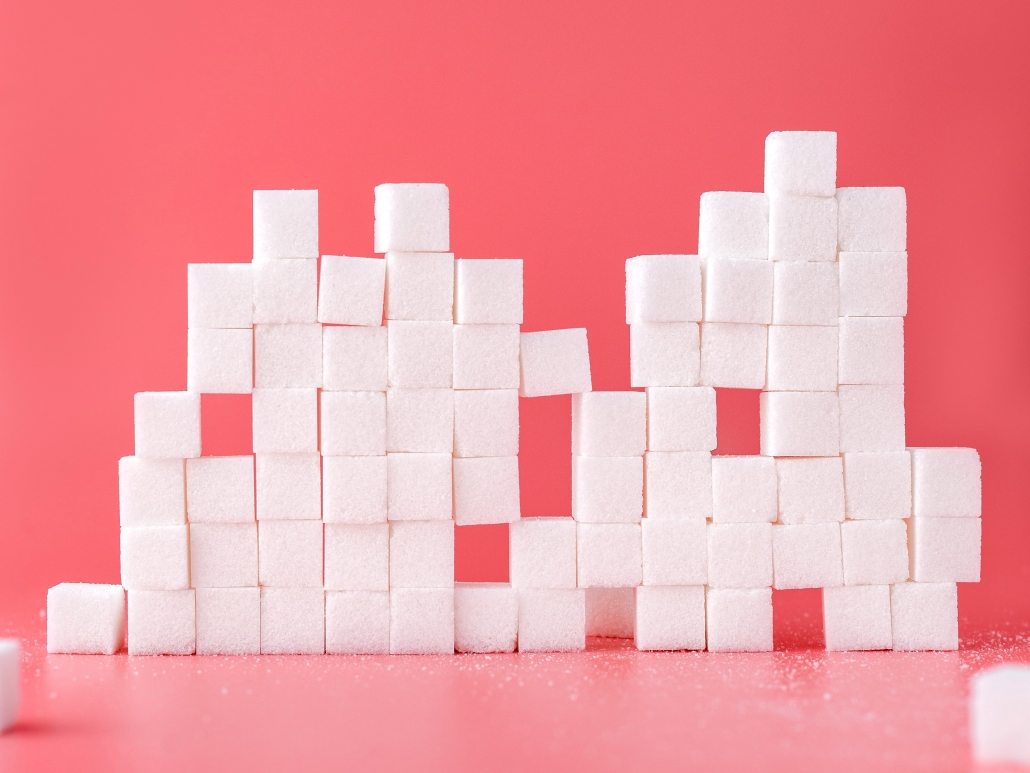
How does sugar effect our behavior in modern environments? Here we present the hypothesis that fructose, which is present in added sugars such as table sugar (sucrose) and high fructose corn syrup (HFCS), may have a role in behavioral disorders associated with impulsivity and anxiety. This hypothesis is based on recent research that has found fructose to be distinct from other nutrients in activating a survival pathway that includes foraging for food as one of the behavioral responses. Specifically, fructose is distinct from other foods in that it during its metabolism it can lead to a reduction in intracellular ATP levels. This leads to the degradation of AMP that eventually generates uric acid. The accumulation of uric acid and fall in ATP are associated with a variety of metabolic responses that include the stimulation of hunger and thirst, foraging, the development of insulin resistance, and the production and storage of fat. While this is used by animals in the wild as a survival mechanism to help them store fat in preparation for times when food is unavailable, we posit that the overconsumption of added sugars today is leading to chronic stimulation of these pathways. Foraging, in particular, is associated with risk taking (entering unknown areas), impulsivity and rapid decision making, and even aggression. Here we review the evidence that chronic stimulation of foraging behaviors from consuming fructose might carry increased risk for disorders associated with impulsivity and anxiety, including ADHD and bipolar disorder. We recommend further research to investigate the possibility that fructose ingestion might be a contributory risk factor for these and related disorders.


Watch the video summary of our work, below (shared with permission)

https://www.hbes.com/wp-content/uploads/2021/06/NP-110-Dr-Richard-Foraging-Revised-3-copy.mp4


Read the paper: Fructose and uric acid as drivers of a hyperactive foraging response: A clue to behavioral disorders associated with impulsivity or mania?

Share this entry
  • Share on Facebook
  • Share on X
  • Share on WhatsApp
  • Share by Mail
https://www.hbes.com/wp-content/uploads/2021/06/sugar-scaled.jpg 1920 2560 Nicole Barbaro https://www.hbes.com/wp-content/uploads/2019/07/HBES-banner-2019.png Nicole Barbaro2021-06-02 02:32:242021-06-02 02:32:24Mismatched Sugar High
Search Search

Categories

  • Admin (5)
  • AltAc (1)
  • Announcements (150)
  • Anthropology (48)
  • Awards (9)
  • Behavioral Ecology (18)
  • Biology (24)
  • Call for Papers (28)
  • Conferences (44)
  • Courses (4)
  • Economics (6)
  • Events (21)
  • Funding (11)
  • Jobs (89)
  • Journal (3)
  • Linguistics (3)
  • Newsletter (243)
  • PhD Students (53)
  • Postdocs (47)
  • Psychology (84)
  • Uncategorized (21)

Contacts

Membership
Journal Subscription
Contact Form

Communications Officer
Contact Form

Grant Proposals
Submission Form

Grievance Committee
Contact Form

Website
Places to Study
Contact Form

Donate to HBES

Donate Here
Member Login
Not a member? Join HBES
© HBES Copyright.
  • Link to X
  • Link to Facebook
  • Link to Mail
  • Home
  • About HBES
  • Conference
  • Journal
  • Awards
  • Places to Study
  • News
Link to: Prof Bridget Waller Seeking 3-yr Funded PhD Student on Facial Expressivity Project Link to: Prof Bridget Waller Seeking 3-yr Funded PhD Student on Facial Expressivity Project Prof Bridget Waller Seeking 3-yr Funded PhD Student on Facial Expressivity ... Link to: Making Simple Decisions in a Complex Social World Link to: Making Simple Decisions in a Complex Social World Making Simple Decisions in a Complex Social World
Scroll to top Scroll to top Scroll to top