Early Career Writing Group Sign-Up

Early Career Writing Group!

A virtual writing group is being organized by Stacey Makhanova for early career evolutionary psychologists and evolutionary scientists more broadly who want some external motivation to get writing done and an opportunity to network (and commiserate) with people in similar career stages. For this group, “early career” means assistant professors, post-docs, and graduate students at the dissertation stage.

If you are interested, see the Google Doc for details and to add your contact info to the email list.

Postdoc Fellow for the Geography of Philosophy Project at UCLA

The Geography of Philosophy Project (https://www.geographyofphilosophy.com/) is seeking a postdoctoral research fellow to work with Professor Clark Barrett in the UCLA Department of Anthropology, for a period of one year. The start date for the position is October 1, 2021 or as soon as the position is filled.

Submit applications here: https://recruit.apo.ucla.edu/JPF06748

The Geography of Philosophy project seeks to understand diversity and universality in philosophical concepts around the world—particularly in the concepts of knowledge, wisdom, and understanding. We are studying these concepts empirically using a mixed-methods, comparative approach spanning ten countries and multiple languages. Our methods are diverse and include focus groups, structured interviews, surveys, and experimental techniques. The structure of the project is collaborative, involving local research teams in ten countries, and experts from across the social sciences and humanities. The PIs on the project are Clark Barrett (Anthropology, UCLA), Edouard Machery (History and Philosophy of Science, Pitt), and Stephen Stich (Philosophy and Cognitive Science, Rutgers). The project is funded by the John Templeton Foundation (https://www.templeton.org/).

The project is entering its final year of funding, and we are beginning our final wave of data collection. The postdoc position at UCLA will involve analyzing results from these studies, collaborating in designing and running follow-up studies, co-authoring papers and edited volumes, and helping to administer the grant at UCLA. The postdoc will be housed in UCLA’s Department of Anthropology, a large, four-field department with a thriving community of diverse academic interests, including the Center for Behavior, Evolution and Culture (http://www.bec.ucla.edu/), the Center for Language, Interaction and Culture (https://clic.ss.ucla.edu/), the Mind, Medicine and Culture group (http://www.sscnet.ucla.edu/anthro/mmac/index.html), and connections to many other departments and units across campus.

Our project is explicitly interdisciplinary and experimental, and as such candidates from diverse fields are eligible, including Anthropology, Psychology, Philosophy, Linguistics, and Cognitive Science. Candidates with strengths in statistical analysis, design and interpretation of cross-cultural studies, and familiarity with literatures in cross-cultural cognitive science are particularly encouraged.

Informal inquiries from potential applicants are welcome at hclarkbarrett@gmail.com. Feel free to get in touch if you’re curious about the position and have questions about your fit for the position, responsibilities, etc. Formal application materials should include a CV, cover letter with statement of research interests and experience, contact information for three references, and up to three publications. Applications will be considered on a rotating basis until the position is filled. Full advert here.

All qualified applicants will receive full consideration without regard to race, color, sex, gender, sexual orientation, religion, national origin, disability, protected veteran status, or any other basis protected by law. Women and underrepresented minority applicants are strongly encouraged to apply.

Please circulate this announcement widely. Looking forward to hearing from you!

The State of Evolution and Human Behavior: Potential for Future Collaborations Between Evolutionary Anthropologists and Psychologists

by Rebecka K. Hahnel-Peeters


There are many disciplines, subdisciplines, and paradigms through which to understand human behavior – two of which are evolutionary anthropology (EA) and evolutionary psychology (EP). At its core, the goal of EP is to understand the design features of the human mind shaped by natural selection to solve adaptive problems produced over evolutionary time (for review see Buss, 1995; Daly & Wilson, 1997). In a similar manner, EA uses the lens of evolutionary theory to analyze human behavior (both past and present; Fessler et al., 2016). Both EA and EP use the environment of evolutionary adaptiveness (Tooby & Cosmides, 1990) to inform theories of possible psychological mechanisms. However, EA and EP were founded on differing assumptions, and competition between these disciplines was motivated by (1) the differences in assumptions, (2) empirical methodology, and (3) limited time and resources to establish each discipline as serious scientific pursuits (Alden Smith, 2000)—all of which I review in depth here.

What are the similarities and differences between Evolutionary Anthropology and Evolutionary Psychology?

Similarities between the two disciplines include the study of human behavior, emotion, and cognition informed by adaptationist thinking; using comparative animal behavior to understand our behavior; and recognizing the importance of testing hypotheses in environments more like those of our ancestral past (Fessler et al., 2016).  Notably, researchers in both disciplines hold adaptive behavior resulting from mechanisms shaped by selective pressures reliably linked to distinct adaptive challenges (Barrett, 2015; Fessler, 2006).

Differences between the two fields have been characterized most heavily by  methodology. In many subdisciplines of EA, the focus of study has been on behavioral variance rather than the design features of the psychological mechanisms which produce our behavior (Alden Smith, 2000). Therefore, the main difference between EA and EP are their differing focal points (i.e., behavioral variation in different ecologies vs. the structure of cognitive mechanisms). This led to the differences in methodologies that characterize the fields today (e.g., anthropological field work and psychological lab experiments).

Evolutionary Anthropology and Psychology Are Complimentary

Since Alden Smith (2000) argued that EA and EP shouldn’t be considered competing disciplines and the recent 10th anniversary of Henrich et al.’s (2010) “the WEIRDEST people in the world” paper presented good reason to assess the state of the evolutionary social sciences, I conducted a content analysis of articles published in our society’s flagship journal. Henrich et al. (2010) highlighted a problem that most psychological research was based on WEIRD societies; because of this, we may expect increased collaborations between EA’s and EP’s in tests of evolutionary theories cross-culturally following the article’s publication.

Have Evolutionary Anthropologists and Evolutionary Psychologists become more collaborative?

Based on publications in EHB: not really (Figure 1). Across the 737 articles published between 2009 and 2020 there doesn’t seem to be an increase in collaborations between anthropologists and psychologists. In 2009, collaborations between anthropologists and psychologists accounted for 15.8% (n = 6) of the publications. The following years included between 2% and 18% of the publications with the mean rate of collaborations being 9.68% (n = 5.8).

Figure 1. Rates of collaborations between anthropologists and psychologists in EHB between the years 2009 and 2020.


How do evolutionary anthropologists and psychologists study phenomena?

Both use behavioral data and a variety of methods. Evolutionary anthropologists and psychologists do not appear to differ much in their use of behavioral data; however, the methods used to get these data were statistically different. There were significant differences in the methods used by anthropologists and psychologists. Anthropologists were more likely to use survey methods and field work than psychologists, and psychologists were more likely to use experiments in artificial environments (e.g., labs). Interestingly, it appears that psychologists started utilizing more methods to test their hypotheses after 2010. The variation in methodology started looking more like that of anthropologists (Figures 2 & 3).

Figure 2. Percentage of methods appearing in articles published by anthropologists in EHB between the years 2009 and 2020.


Figure 3. Percentage of methods appearing in articles published by psychologists in EHB between the years 2009 and 2020.


Conclusion

In the preprint, I discuss this project more in depth – including methodology, limitations, and future directions to understand the state of the evolutionary social sciences.

Interdisciplinary research—especially between complimentary disciplines—can strengthen our understanding of the world around us. EA and EP are uniquely positioned for collaboration, but the current state of EHB doesn’t show high levels of explicit collaboration between anthropologists and psychologists. It is possible that these two disciplines are becoming more collaborative implicitly; that is, they may be citing each other more, influence each other’s research questions and hypotheses, or evolutionary anthropologists may be training evolutionary psychologists (or vice versa).

Finally, we should continue to consider a roadmap for future collaboration suggested by Fessler et al. (2016). These four steps are attainable and could result in meaningful contributions to the field:

  1. Take advantage of existing literature within paleoanthropology and comparative animal behavior
  2. Read, cite, and understand ethnographic depictions of small-scale societies
  3. Utilize the electronic Human Relations Area Files
  4. Increase collaborations between evolutionary anthropologists and psychologists

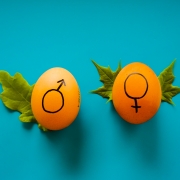
Gendered Fitness Interests: Why people can hold political views that disadvantage their own sex

by Rob Brooks and Khandis R. Blake


The views of women and men can differ on important issues such as abortion, gender equity and government spending priorities. Surprisingly, however, average differences in sex on this front are often small. Many women adopt social and political positions that favour men and many men favour women-friendly positions.

In a recent paper in Evolution and Human Behavior we tried to make sense of this apparent paradox. We did so by understanding how people’s politics and practices don’t just track what’s good for them, but also what’s good for their relatives.

Election campaign games

A mere three days after his 2016 inauguration, US President Donald Trump reinstated the Mexico City policy, also called the “global gag rule”. The rule denies US health funding to foreign non-governmental organisations that provide abortions, refer patients for abortions, offer abortion-related counselling or advocate for more liberal abortion laws.

It wasn’t just Trump’s haste to reinstate the rule that galled pro-choice Americans. It was also the supporting cast of men Trump lined up for the photo-op.

Access to abortion is seen – and often spoken about – as a “women’s issue” as it impinges on women’s bodily autonomy and reproductive rights. But had Trump not been appealing to male voters, he could have gathered several prominent anti-choice women to stand behind him instead. Like Charmaine Yoest, former president of Americans United for Life, and soon-to-be appointed by Trump as Assistant Secretary of Health and Human Services for Public Affairs. Despite expectations and rhetoric, support for abortion is far more complicated than a simple tussle between the interests of women and men.


One of the first executive orders that Donald Trump signed was to reinstate the Mexico City Policy (also called the ‘global gag order’), concerning non-governmental organisations and abortion access. Donald J. Trump/Facebook


Think of the children

Polling conducted in the US by Gallup between 2018 and 2020 found 49% of men and 46% of women identified as “pro-life”. A similar gap was observed between “pro-choice” men and women, at 46% and 48% respectively.

“Pro-choice” policies give women options to control their own reproduction and, therefore, an important part of their lives. It would seem rational then for women to support these policies more than men.

Other policies relating to gender equity, sexual harassment, health-care spending and education also impact women and men differently. And while both genders’ views on these topics differ, the difference is quite small on average – in the order of 5%.

Variation of social and political views within a sex is actually far greater. While this is commonly thought to be due to differences in experience, we wanted to know whether the composition of a person’s family might change their views.

Our line of inquiry was inspired by a range of studies that have shown a child’s gender can change their parents’ views. For instance, firms led by male CEOs with daughters tend to adopt more socially and environmentally progressive corporate policies. They’re also more likely to appoint female directors and hire female partners, with positive effects on firm performance. On the other hand, male CEOs of Danish firms who fathered a son, rather than a daughter, paid their employees less generously and paid themselves more generously.

A similar pattern emerges in politics. In the US, legislators with daughters are more likely to vote for “pro-woman” laws than those with sons. And in both the US and Canada, parents with daughters favour gender equity more than those with sons.

Sometimes the effects become visible even before offspring have had much chance to experience the world. In one study, the birth of a son caused parents’ voting intentions to swerve immediately to the right, while a daughter prompted a swerve to the left. In another, the effects kicked in as soon as the parents learned their child’s sex at a prenatal ultrasound.

How your family’s composition can impact you

Research published by Laura Betzig and Lesley Hodgkins Lombardo in 1992 found people’s attitudes towards abortion varied depending on how many of their female relatives were in the age group considered “at risk” of unwanted pregnancy.

The more female relatives someone had aged between 15–50, the more likely they were to favour pro-choice policies. In turn, the more male relatives they had of a reproductive age, the more likely they were to support pro-life policies.

This study inspired us to consider whether gendered issues might depend not only on an individual’s own sex, but also the sex composition of their family. Humans, like other animals, are more invested in their close genetic relatives as a result of Hamiltonian kin selection.

We propose a new metric called “Gendered Fitness Interests”, or GFI. This not only looks at how many genetic relatives of each sex a person has, but also how closely related they are and how many potential reproductive years remain for them.

We built a simple model that confirmed out intuition that people with many close, younger female relatives (such as daughters and sisters) are expected to have a pro-female bias, while those with plenty of young brothers, sons or grandsons should have a bias that favours males.

In our model, sex differences in social and political attitudes are likely to be greatest in young adulthood, when a person’s own gender impacts them greatly. However, as an individual’s potential to have children diminishes, their current children and other relatives start to have a greater influence. Since most people have a balance of male and female relatives, this means a shift towards the centre.

Supporting Evidence

In the early stages of developing our model, long before we published it, a wonderful opportunity to test our ideas arose. For her PhD studies at UNSW, Maleke Fourati gathered data on attitudes towards Islamic veiling practices in Tunisia, specifically on mandatory veiling, which is one of those gendered issues on which we expect women and men might differ. Maleke’s data provided an early test of our idea of gendered fitness interests.

As we predicted, men were more likely than women to support mandatory veiling. But women with more sons (male-biased GFI) were more likely to wear veils themselves and to think other women should too. These mothers, we argued, also in Evolution and Human Behavior, take this position as it serves their sons over their daughters-in-law.

More recently, Nick Kerry, then busy finishing his PhD at Tulane University, led a study testing our prediction in an online American sample. Participants with more reproductive-age male kin held more conservative positions on gender-related issues like gender roles, women’s rights, and abortion.

Separating sex from identity

The web of conflicting interests that give shape to our social and political attitudes is never easy to trace and there are always multiple factors at play.

Perhaps the most interesting implication of our proposal is it undermines the idea that the interests of women and men sit at fixed odds with one another. Some individuals’ values will align more with the opposite sex than with their own, weakening the importance of gender as a distinct part of social and political identity.

–––

This article is republished, with slight modifications, from The Conversation under a Creative Commons license. Read the original article.


Read the paper: Gendered fitness interests: A method partitioning the effects of family composition on socio-political attitudes and behaviors


An Error of Overperception?

by Jordann L. Brandner, Gary L. Brase, & Jadyn Pohlman


Picture this: you catch the eye of an attractive person across the room, and you go to speak with them. They smile, they laugh at your jokes, and they lean in to listen to your conversation. Would you be able to say if they are sexually interested in you?

Our recent research published in Evolution and Human Behavior asks just that – can men and women reliably tell if someone is sexually interested in them or not? Previous research suggests that men overperceive these situations, often mistaking a woman’s friendliness as cues of sexual interest. Error Management Theory explains this “male overperception” effect as an evolved bias – it is less costly to the man to accidentally overperceive a woman’s interest than it is to miss a mating opportunity.

However, previous research on this overperception have relied on difference scores measures, which oversimplify the situation. In fact, men could have a tendency to respond in a particular way, regardless of it being right or wrong (consistently overperceiving as suggested by Error Management Theory), or alternatively, they could be answering based on how distinct the signals of attraction are from the signals of rejection. In more theoretical terms, evolutionary optimality could be reached by always assuming attraction, but it could also be reached by consistently correct observations, as these correct observations could also avoid the costly error of missing out on someone who was attracted to them.

This possibility was tested using Signal Detection Theory. This theory provides both a measure of bias (how strongly a person prefers to answer “interest” or “disinterest”), and also a measure of sensitivity, which tells how different signals are from non-signals for each person. Moreover, these measures are standardized, allowing comparison across different biases, and are individualized, allowing us to test if mating-relevant personality traits affect sensitivity, bias, both, or neither.

In Study 1, undergraduates were shown written scenarios similar to the one above, then asked if this person was sexually interested in them, how much interest the person had in them, and also answered some personality questions. Study 2 asked online participants similar questions, but using scenarios with much more ambiguous – and even conflicting – behaviors. Importantly, each scenario was pre-judged to determine if it signaled sexual attraction or not by both men and women, and how much attraction was signaled by it. This provided an independent evaluation for comparison.

Contrary to previous research, we actually found underperception of sexual interest – people in our studies had a preference for answering that the person was not interested. Moreover, women were overperceiving interest while men were underperceiving it – completely opposite to what we had predicted. That said, this bias rarely came into play, as participants in both studies were highly accurate at telling if a person was interested in them or not, even with the intentionally confusing behaviors used in Study 2. Traits such as life history strategy, sociosexual orientation, and mate value did not affect participants’ sensitivities or biases.


Contrary to previous research, we actually found underperception of sexual interest – people in our studies had a preference for answering that the person was not interested. Moreover, women were overperceiving interest while men were underperceiving it – completely opposite to what we had predicted.


Interestingly, analyzing these same data with the more typical difference scores measures did not yield the same results. While this analysis did similarly find underperception overall, it also appeared to support an overperception effect for men, despite men’s perceptions being closer to pre-rated interest levels. To understand how such a result could appear imagine people tasked with driving a certain speed, say, 40 miles per hour. Everyone is going slower than that, but men are going 38 mph whereas women are going 35 mph.  Men are going relatively fast (analogous to overperception), but they are actually closer to the target speed.

Men’s difference between the pre-rated levels and their perceptions was smaller, and a smaller difference when negative is a larger number, resulting in the conclusion that men perceived “more” interest than women, when they were simply closer to the truth than women.

Our research combined the powerful and well-established measures from Signal Detection Theory with the evolutionary application from Error Management Theory. The Signal Detection Theory approach incorporating both bias and sensitivity is a better option than the traditional difference score approach. This method reflects the raw data better and allows for more precise, comparable results. It also raises a key question – is overperception simply men and women perceiving different levels of interest, or as we believe, should that term be reserved for perceiving more interest than was originally communicated?

So, to answer our original question, would you know if the person was sexually interested? You, like our participants, would most likely be able to tell. Communication errors still do occur, of course, and further work is needed to better understand the particular types of contexts and people that are more likely to lead to sexual communication errors.


Read the paper: On hits and being hit on: error management theory, signal detection theory, and the male sexual overperception bias

What’s in a leaf? Examining the cues 18-month-olds use to categorize plants

by Stella C. Gerdemann & Annie E. Wertz


Imagine picking and eating wild blueberries in a forest. After finishing with one patch, you walk a little further down the path and see another clump of bushes with blue-colored berries. But these bushes have differently shaped leaves. Do you eat the berries from these new bushes too? This could turn out to be a high stakes decision. The change in leaf shape is relatively subtle, but the fruits on the new bushes might be food or they might be fatal. In an article that recently appeared in Evolution and Human Behavior, we tested whether cognitive mechanisms to correctly categorize plants––and thereby distinguish between potentially safe and dangerous plants––may be present in the first years of life.  To do this, we compared 18-month-olds’ use of leaf shape cues to categorize plants to their use of similar shape cues to categorize human-made artifacts.

Aside from the (hobby) botanist, or the person who might wonder whether they inadvertently bought kale instead of chard, categorizing plants correctly is not a problem many of us frequently face. In most modern environments, humans encounter plants in non-threatening contexts in which the hard work of distinguishing different kinds of plants has already been done for us. For example, we usually don’t need to know precisely what kind of plant we are dealing with in a grocery store to assess its safety. This, however, is not typical of the way plants were encountered throughout most of human evolution. In ancestral environments, humans foraged for plant resources in wild environments and had to correctly distinguish safe plants from dangerous ones to mitigate the costs of toxic plants. In fact, as some of our previous work published in EHB suggests, distinguishing between very similar looking plants is an essential component of social learning strategies for acquiring information about plants.

Another previous study had shown that 18-month-olds can distinguish between different plant types, but that study did not test whether or not infants use different features to categorize plants that they use to categorize other object types, such as artifacts. The previous study also did not address whether infants use cues that may be predictive of the type of plant they are dealing with, like the shape of the plants’ leaves, more than they would use non-predictive cues like pot color to categorize plants. Therefore, in our study, we assessed whether 18-month-olds preferentially rely on leaf shape cues to categorize plants, but not when categorizing artifacts.

To address our research question, we designed closely-matched plant and artifact objects that we presented to infants in our study. The plants were realistic-looking artificial plants with green leaves growing out of brightly-colored pots. The artifacts looked like feather dusters. They were made out of the same leaves as the plants, but instead of being green, the leafy parts of the feather duster artifacts were painted gold and silver and attached to brightly-colored wooden rods. For both types of objects, we pitted leaf shape cues against another visually-salient cue: the color of the pots (for the plants) or the rods (for the artifacts). If leaf shape cues play a special role in the early categorization of plants, then we expected infants to prioritize leaf shape over pot color when categorizing plants in our study. In contrast, we expected that, because these same leaf shape features would likely not be relevant for categorizing artifacts, infants would be less likely to use these cues to categorize our feather duster artifacts.

We tested these predictions by using a category matching task. In this task, we showed half of our 18-month-old infants a target plant and told them its name (“This is a Toma“). Then we showed them two new plants—one that shared the same leaf shape as the target plant, but has a different pot color, and one that shared the same pot color, but had a different leaf shape—and asked infants which one “goes with” the target plant. Infants responded by reaching for one of the two plants. The other half of our infants were given the exact same task using the artifacts.


Infants prioritized leaf shape cues when categorizing plants but did not prioritize those same shape cues when categorizing artifacts.


Our results supported our main hypothesis: infants prioritized leaf shape cues when categorizing plants but did not prioritize those same shape cues when categorizing artifacts. In a follow-up online study, we found that aspects of this categorization strategy persist into adulthood. Adults were less willing to categorize plants by cues other than leaf shape than they were for artifacts.

In sum, our study shows that infants rely on leaf shape cues to categorize plants, but not when categorizing feature-matched artifacts. These findings suggest that distinguishing between plants is indeed an important component of social learning strategies, and leave several open questions. For example, we still do not know whether early experiences influence infants’ emerging ability to use leaf shape cues to categorize plants. Our study did not show any evidence that infants’ early exposure to plants has a measurable influence on infants’ tendency to categorize plants by shared leaf shape cues. Nevertheless, there may be a role of experience that could be better assessed by using more fine-grained methods than the parental questionnaires that we used to measure infants’ experiences with plants. Cross-cultural studies of infants and young children could also shed light on the effects of growing up in environments that afford very different experiences with plants on these early emerging categorization abilities.

Correctly distinguishing between different kinds of plants may no longer be a regular feature of our everyday lives, but the cognitive systems that evolved to solve this problem seem to be very much a part of our modern-day minds.


Read the paper: 18-month-olds use different cues to categorize plants and artifacts

Congratulations to the 2021 HBES Award Winners

The Human Behavior and Evolution Society presents three annual awards to recognize outstanding scholarship and contributions to the field. We are pleased to congratulate the exceptional winners of the 2021 society awards.


Early Career Award for Distinguished Scientific Contribution

This award recognizes excellent young scientists who have made distinguished theoretical and/or empirical contributions to the study of evolution and human behavior.

This year’s Early Career winner is Willem Frankenhuis, Associate Professor, Department of Psychology, Faculty of Social & Behavioural Sciences, Utrecht University, Utrecht. Willem runs the Developmental Evolutionary Ecological Psychology Lab. You can find out more about Willem and his work on his website.

Lifetime Career Award for Distinguished Scientific Contribution

This award is given to HBES members who have made distinguished theoretical or empirical contributions to basic research in evolution and human behavior.

This year’s Lifetime Career winner is Hillard Kaplan, Professor, Economic Science Institute, School of Pharmacy, and The George L. Argyros School of Business at Chapman University. You can learn more about Hillard on his website.


Margo Wilson Award

This award is made by the editors of Evolution and Human Behavior for best paper published in the journal in the previous year.

This year’s winner is one of the first, if not THE first, paper to propose that pathogen elimination activates a coordinated physiological and psychological response and is best characterized as an emotion program. The landscape of basic human emotions has expanded to now include the critical condition of sickness. The paper also received a large amount of media coverage at the time of publication.

Schrock, J. M., Snodgrass, J. J., & Sugiyama, L. S. (2020). Lassitude: The emotion of being sick. Evolution and Human Behavior, 41(1), 44-57.

Abstract

Our long co-evolutionary history with infectious agents likely began soon after the rise of the first single-celled organisms. This ongoing evolutionary arms race has generated complex host adaptations, many highly conserved, for resisting infection (e.g., innate and acquired immune systems, infection-sensitive developmental programs, sexual reproduction). A large body of evidence suggests that, in humans, pathogen-avoidance disgust is an emotion that motivates avoidance of cues associated with pathogens, thereby reducing infection. However, the question of whether there is an emotion that coordinates resistance to active infection has received less attention. We propose that lassitude is such an emotion. It is triggered by cues of active infection and coordinates the fight against infection by: (a) reducing energetically expensive movement to make more energy available to the immune system, (b) reducing exposure to additional infections and injuries that would compound the immune system’s workload, (c) promoting thermoregulatory behaviors that facilitate immunity, (d) regulating food consumption to be beneficial for the host but detrimental to pathogens, and (e) deploying strategies that elicit caregiving behavior from social allies. Lassitude exhibits the core features of an emotion – it is triggered by cues of an adaptive problem (i.e., infection), generates a characteristic facial expression (e.g., slack facial muscles, drooping eyelids, slightly parted lips), and has distinct qualia (e.g., profound tiredness, reduced appetite, feelings of vulnerability, altered temperature perception, increased pain sensitivity). We outline the information-processing structure of lassitude, review existing evidence, suggest directions for future research, and discuss implications of lassitude for models of human evolution.

Variant Bio is seeking full-time researcher/scientist

Variant Bio is seeking a researcher/scientist to fill a full time position on our global partnerships team.

Company Description

Variant Bio is a Seattle-based startup that is developing therapies to improve global health by studying the genes of people who are outliers for medically relevant traits. Variant Bio was started because we believe that human genetics has the power to transform drug development. To facilitate this, we have built proprietary genomics and phenotyping platforms that allow us to dramatically reduce the cost of genomic studies and identify genetically-validated targets for therapeutic development.

All of our studies are co-designed with local partners: community groups, academics, and hospitals around the world. We built Variant Bio from the ground up with ethics at its foundation. We recognize the contribution of our partners through an industry leading benefit-sharing program that dedicates 4% of our revenue and equity value to support local healthcare, sustainable development, education, research, and capacity-building initiatives.

Variant Bio is an equal opportunity employer that guarantees a work environment that respects and values diversity at our company. We do not discriminate on the basis of race, religion, color, national origin, sex, gender, gender expression, sexual orientation, age, marital status, veteran status, or disability status.

Job Description

We are looking for a scientist with international field experience who will support expanding the scope and scale of our research collaborations around the world. We are looking for creative thinkers who can contribute to an early startup in project identification, design, execution, and data interpretation. The ideal candidate is a scientist (we will consider applicants spanning a broad range of backgrounds, e.g. anthropologist, biologist, human geographer) who is willing to learn how to manage a research project partnership from the ground up, and can step into the role of managing projects themselves. This position will report to the Head of Partnership Development.

Alignment with our ethical principles and effective communication in different cultural settings is a must. The candidate is passionate about human adaptation and variation, health, and genetics and is not intimidated by constant research and learning. The candidate will advise on, design, and support projects covering South America, Europe, Asia, Africa, and Oceania. Our current projects cover areas of positive adaptation to various environmental conditions and their health implications, as well as disease-focused research on kidney disease, autoimmune disorders, and neurodegenerative disorders.

Responsibilities

Identify populations with unique genetic architectures or phenotypes in areas of unmet medical need.
Create scientific hypotheses and design population or cohort-based genomics studies.
Identify and set up collaborations around the world for human subjects studies, partnering with academic researchers, hospitals, biobanks, and local communities.
Work closely with ethicists and cultural anthropologists to co-design the studies together with partner communities.
Establish and cultivate relationships with partners and partner communities.
Design and negotiate contracts with partners and service providers, apply for human subjects ethical approval, and coordinate international logistics for project execution.
Develop and supervise local genotyping and phenotyping campaigns, often “in the field.”
Effectively communicate scientific results to local researchers, community members, and at scientific conferences.
Contribute to scientific publications.

Qualifications

Ability to leave your ego at the door and wear multiple hats in a fast-paced, start-up environment.
Post-secondary degree in biological anthropology, genetics, evolutionary biology, public health, epidemiology, or equivalent. Ph.D. a plus, but not a requirement.
Conceptual understanding of the principles of adaptation by natural selection.
Experience creating and executing field-based human subjects research projects, preferably outside of North America and Europe.
Well-connected and active in the public health or evolutionary/genetic anthropology field.
Strong people skills and ability to manage multiple, international partner relationships.
Understanding and appreciation for differences in global business norms and practices.
Independent, creative, detail-orientated, and a critical thinker.
Strong writing skills are a must.
Disease area, public health, genetics or human adaptation expertise is an advantage.
Compelled by the company’s mission of great science, a strong ethical stance, and benefit sharing.

Perks

Opportunity to be part of an early-stage startup entering a rapid growth phase.
Competitive, industry leading salary, and comprehensive benefits including medical, dental, vision, short and long term disability and life insurance.
401(k) plan that includes an automatic 3% employer contribution.
Centrally located Eastlake, Seattle location in a new Alexandria building with modern facilities, including a gym.

Please email your resume and a cover letter highlighting your background and relevant skills to hiring@variantbio.com with the subject line “RE: Scientist – Genetic Research Partnerships.”